.png)
Search Results
THE DAILY PULSE
Search results for "Politics"
120 results found for "Politics"
- Bill Gates Unveils $200 Billion Philanthropy Push to Combat Global Health Crises
These include poverty, malnutrition, polio, and HIV—challenges Gates has long been dedicated to eradicating
- Australia’s Prime Minister Anthony Albanese to Visit Indonesia in May 2025: Strengthening Bilateral Ties
Australia's Prime Minister, Anthony Albanese, will make a significant visit to Indonesia in May 2025, a move designed to fortify the long-standing diplomatic and economic ties between the two countries. The visit marks a milestone in Australia-Indonesia relations, with a focus on enhancing strategic cooperation and fostering growth in key sectors, such as trade, investment, and regional security. The two nations have shared a history of strong cooperation, but recent global shifts, including challenges posed by regional dynamics and economic uncertainties, have increased the need for deeper collaboration. This upcoming visit signals a mutual commitment to strengthening ties and addressing shared priorities. Albanese’s trip will include high-level talks with Indonesian officials, aimed at expanding bilateral trade agreements, strengthening economic partnerships, and exploring new areas of cooperation in emerging industries such as clean energy and digital technology. One of the main objectives of the visit is to cement Indonesia’s role as a crucial partner for Australia in the broader Indo-Pacific region. The two countries are set to discuss security cooperation and ways to tackle regional challenges, from economic resilience to climate change. As both countries continue to navigate the complexities of geopolitics and global trade, the visit offers an opportunity for both leaders to engage on a wide array of critical issues that impact the Asia-Pacific region. With Indonesia's growing influence in Southeast Asia and Australia’s commitment to expanding its footprint in the region, this visit comes at a pivotal time. By reinforcing bilateral ties, Australia and Indonesia aim to not only strengthen their own economic futures but also contribute to broader regional stability and prosperity. _Daily Growth Insights
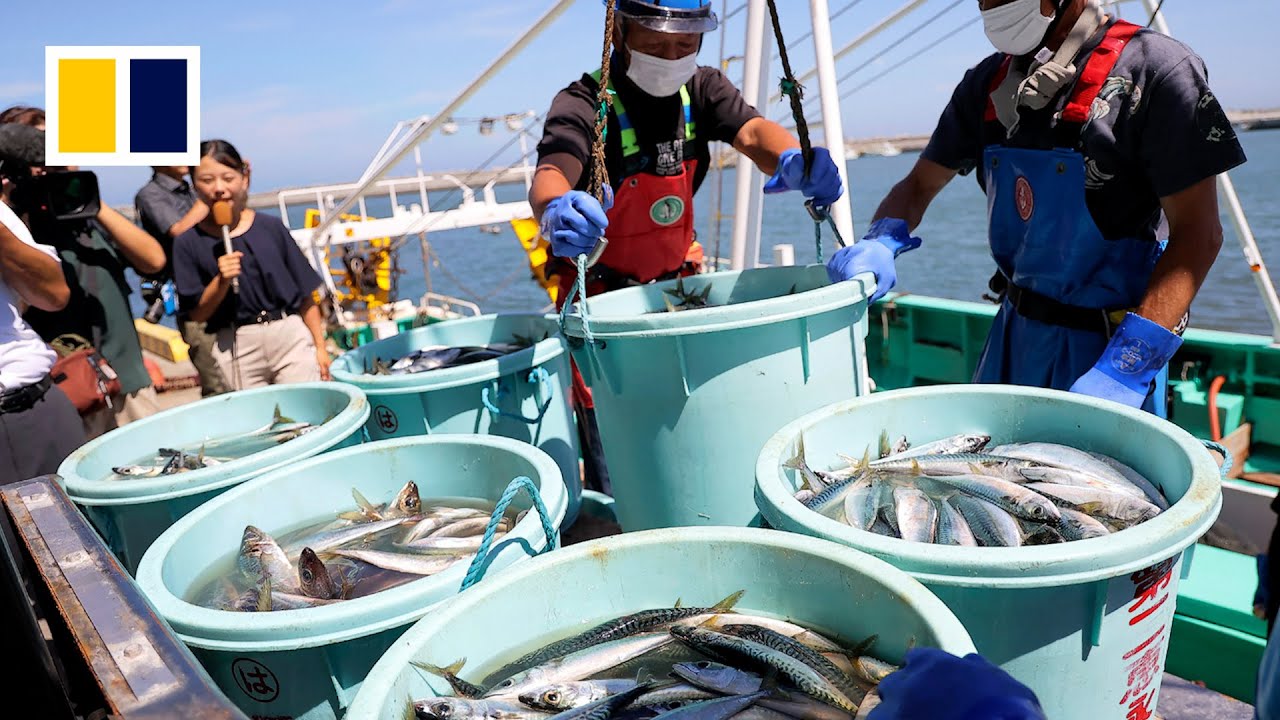
- Japan Pushes China to Lift Seafood Import Ban
While no immediate resolution was announced, the meeting is seen as a positive step toward reopening
- India, UAE, and Sri Lanka Unite: The Energy Alliance Reshaping Regional Influence
located on Sri Lanka's northeastern coast, is renowned for its deep-water port and strategic maritime position
- Japan and U.S. Confirm Coordinated Yen Intervention as Currency Reaches Three-Month High
For Japan, a rapidly weakening yen can have both positive and negative effects. Market Reaction Financial markets reacted positively following confirmation of the coordinated intervention
- New START Treaty 2026 Deadline Nears as U.S.‑Russia Dialogue Stalls on Successor Pact
Officials on both sides have cited political, security, and strategic concerns, but public engagement Barriers include: Mutual distrust and geopolitical rivalry Domestic political pressures in both countries The challenge facing policymakers is not only technical—crafting limits and verification—but also political
- Former Gojek CEO and Ex-Education Minister Nadiem Makarim Sentenced to 10 Years: Full Case Chronology
process concludes, the case is expected to remain one of Indonesia's most closely followed legal and political The conviction of Nadiem Makarim marks a significant moment in Indonesia's legal and political landscape
- Wall Street Holds Steady as Investors Eagerly Await U.S.–China Trade Progress
Meanwhile, megacap tech stocks, including Amazon and Alphabet, supported positive performance on the
- Indonesia & South Africa Agree Free Visa Policy — What It Means for Travelers in 2026
🌍 Indonesia & South Africa Agree Visa‑Free Travel: A New Chapter in 2025–2026 Diplomacy At the recent Indonesia–Africa CEO Forum in Johannesburg, Indonesian Vice President Gibran Rakabuming Raka officially announced a new reciprocal visa‑free entry policy between Indonesia and South Africa. This diplomatic breakthrough is more than just a travel convenience — it signals a deepening partnership, increased mobility, and a push to boost economic, cultural, and tourism links between Southeast Asia and Africa. ✅ What the New Visa‑Free Policy Means No more visa paperwork : Citizens from both countries can now travel between Indonesia and South Africa without visa requirements. Smoother travel and mobility — whether for tourism, business, study, or cultural exchange. Facilitated trade and investment flows , as visas often act as a barrier for frequent travel and business trips. More people-to-people connections , enabling cultural exchange, educational collaboration, and easier access for diaspora communities. Vice President Gibran underlined that South Africa is a strategic entry point to broader African markets — and believed the visa waiver will accelerate cooperation in investment sectors like agriculture, energy, and industry. 🌱 Impacts on Tourism and Economy Tourism Surge Potential With visa-free access, more Indonesians may travel to South Africa — boosting aviation demand, hotels, and travel services. At the same time, South African tourists may visit Indonesia more easily, supporting Indonesian tourism. Business & Investment Growth Removal of visa requirements reduces friction for business travel. Companies can meet partners, explore investment opportunities, attend events — without time-consuming visa processes. This supports trade, joint ventures, and industrial cooperation. Cultural & Educational Exchange The policy opens doors for students, researchers, artists, and educators to engage in exchanges, collaborate internationally, and build stronger people-to-people ties. Strengthened Diplomatic Relations Visa-free entry is a strong signal of trust and partnership. It lays groundwork for deeper cooperation beyond tourism — in trade, industry, sustainable development, and global diplomacy. ⚠️ Things to Watch — What Remains Unclear The duration of stay , work permissions, and other immigration rules under the visa waiver still need clarification — especially for business, work or long-stay visits. As with any visa-free policy, both countries will need strong immigration and border controls to ensure security while facilitating ease of movement. Distribution of benefits may favor urban centers — ensuring equitable access for remote or underrepresented regions is important. 💡 Why This Matters for 2026 and Beyond In an increasingly connected world, mobility — physical and digital — determines opportunity.With this visa‑free policy: Indonesia strengthens its role in global South–South relations. South Africa gains improved access to Southeast Asian markets, talent, and trade networks. Businesses, travelers, students, and cultural communities benefit from smoother international connection. It’s a pragmatic win for diplomacy, economy, and global collaboration. #FreeVisaIndonesiaAfrica _ Daily Growth Insights
- Philippines Hit by Typhoons: EU Steps In with Over P85 Million Relief
Typhoon Philippines The Philippines is once again grappling with the devastating impact of typhoons, which have displaced thousands, damaged infrastructure, and disrupted livelihoods across multiple provinces. In a timely response, the European Union (EU) has pledged over P85 million to support recovery and relief efforts in the affected areas. Scope of the Disaster The recent typhoons have caused: Widespread flooding Landslides in mountainous areas Damage to homes, schools, and critical infrastructure Loss of agricultural crops, affecting food security Displacement of thousands of families Local authorities continue rescue and relief operations, but the scale of the damage has strained resources. How the EU Funds Will Help The P85 million assistance from the EU will be directed toward: Emergency Relief – Providing food, clean water, shelter, and medical supplies to displaced families. Community Recovery – Supporting the rebuilding of homes, schools, and public facilities. Long-Term Resilience – Investing in disaster preparedness and climate adaptation programs to minimize the impact of future storms. Coordination with Local Agencies – Ensuring that aid reaches the most vulnerable communities efficiently. This support demonstrates the EU’s commitment to humanitarian aid and international cooperation in times of crisis. Statements from Officials Philippine officials have welcomed the EU’s support, emphasizing the critical need for immediate relief and long-term recovery strategies. Meanwhile, EU representatives stressed the importance of solidarity and international collaboration in addressing natural disasters exacerbated by climate change. The Bigger Picture The Philippines is one of the countries most vulnerable to typhoons and extreme weather events. Each year, storms like these threaten lives, livelihoods, and development gains. International aid, including this substantial contribution from the EU, plays a crucial role in strengthening resilience and providing immediate relief to affected communities. As the Philippines continues to recover from the latest typhoon devastation, the EU’s release of over P85 million in aid will bolster emergency response efforts, accelerate rebuilding, and support the long-term resilience of communities. The ongoing collaboration between international partners and local agencies will be essential to ensure that recovery is swift, sustainable, and inclusive — helping families get back on their feet in the wake of the storms. #TyphoonPhilippines _ Daily Growth Insights
- Spain Prepares Emergency Response as Migration Pressure Rises Across Europe
Many migrants are fleeing armed conflict, political instability, economic hardship, and climate-related humanitarian concerns, the issue has implications for labor markets, public services, housing, and political The situation has also become an important issue in domestic politics across several European countries Conflict, economic inequality, climate change, and political instability continue to drive migration,
- Maldives Wants to Develop Its Empty Islands — But What Happens to Paradise?
The Maldives is famous for its pristine beaches, turquoise lagoons, coral reefs, and private island resorts. But behind the country's tourism image is a much bigger question about how its limited land should be used. The government is considering changes to the way uninhabited islands and lagoons can be used, including proposals that could open opportunities for industrial and livestock-related development. The idea could create new economic opportunities for an island nation where land is extremely limited. But it also raises an important question: "How can the Maldives develop new economic activities without damaging the natural environment that makes the country valuable in the first place?" Why Uninhabited Islands Matter The Maldives consists of hundreds of islands spread across the Indian Ocean. Many islands remain uninhabited, while others have been developed for tourism, residential communities, infrastructure, or other purposes. At first glance, an uninhabited island may appear to offer an obvious opportunity for development. However, an island that has no permanent residents is not necessarily an island without environmental or economic value. Its surrounding lagoon, coral reefs, beaches, vegetation, and marine ecosystems can all play an important role in the country's environmental health and tourism economy. Development Could Create New Opportunities If carefully planned, using some uninhabited islands for new economic activities could help diversify the Maldivian economy. Tourism remains the country's economic backbone, but the government has also been looking for ways to expand economic activity beyond traditional resort development. Potential uses could include: Agriculture and livestock. Food production. Industrial activities. Storage and logistics. Renewable energy. Infrastructure development. Specialized economic projects. For a country that imports a significant amount of food and other essential goods, expanding domestic production could potentially reduce some dependence on imports. The Food Security Question Livestock and agricultural development could be particularly interesting. The Maldives relies heavily on imports to meet domestic food demand. Developing suitable islands for controlled agricultural or livestock activities could potentially create new local supply chains. However, island agriculture presents its own challenges. Freshwater availability, transportation, waste management, soil conditions, climate, and environmental sensitivity all need to be considered. What works on a large mainland farm may not necessarily work on a small tropical island. The Environmental Risk This is where the debate becomes more complicated. The Maldives is one of the world's most environmentally sensitive island nations. Its economy depends heavily on the natural environment. Tourists come to experience the beaches, lagoons, coral reefs, marine life, and tropical landscape. Development that damages these resources could therefore create an economic problem as well as an environmental one. Construction can affect coastal areas. Waste can threaten marine ecosystems. Poorly managed livestock operations could create pollution. Industrial activity can introduce additional risks. This means environmental planning would need to be part of any development strategy from the beginning. Paradise Is Also an Economic Asset The phrase "protecting paradise" may sound like a purely environmental argument. For the Maldives, however, it is also a business argument. The country's natural beauty is effectively one of its most valuable economic assets. Hotels, resorts, diving operators, restaurants, airlines, boat operators, travel agencies, and local businesses all benefit from the country's environmental appeal. If development reduces the quality of the environment, it could eventually affect tourism demand. That creates a difficult balance. The Maldives needs economic development—but its environment is part of what makes that development possible. Could Uninhabited Islands Help Diversify the Economy? One potential advantage of developing selected uninhabited islands is the possibility of separating certain activities from heavily populated or tourism-focused areas. For example, some islands could potentially be used for specific economic functions while other islands remain focused on tourism, conservation, or residential communities. This could allow the country to develop different economic zones. However, location would be critical. Not every island would be suitable for every activity. A development strategy would need to consider environmental sensitivity, transportation requirements, nearby communities, tourism areas, and long-term climate risks. Sustainable Development Will Be Key The biggest question may not be whether the Maldives should develop its uninhabited islands. It may be how it develops them. A sustainable approach could include: Environmental Assessments Potential projects should be evaluated for their impact on coral reefs, lagoons, marine ecosystems, and coastal areas. Clear Development Zones Certain islands could be designated for specific purposes, while environmentally sensitive locations remain protected. Renewable Energy Solar and other renewable-energy solutions could reduce dependence on imported fuel and lower environmental pressure. Responsible Waste Management Waste systems would need to be designed before development begins, rather than after problems appear. Water Management Freshwater is a critical resource in the Maldives, making sustainable water systems essential. Strong Monitoring Development should be monitored over time to ensure that environmental standards are actually being maintained. Tourism Will Still Need Protection Any major island development strategy will inevitably be viewed through the lens of tourism. The Maldives continues to pursue tourism growth, with the government targeting millions of visitors and expanding tourism infrastructure. That makes environmental protection increasingly important. More visitors and more development mean greater pressure on resources. If the country can successfully combine tourism growth with responsible development, it could strengthen its economy without sacrificing its competitive advantage. A New Chapter for the Island Economy? The discussion around uninhabited islands reflects a broader economic challenge facing the Maldives. The country needs more economic opportunities, stronger food security, better infrastructure, and potentially greater diversification. At the same time, it needs to protect the environment that supports its tourism industry and communities. This is not an easy equation. But it could also be an opportunity. Instead of viewing economic development and environmental protection as competing goals, the Maldives could attempt to design projects where both work together. What Investors and Businesses Should Watch For businesses and investors, several developments will be worth following. Regulation:What rules will determine which islands can be developed and for what purposes? Infrastructure:Will new infrastructure make development economically viable? Environmental requirements:How strict will environmental assessments and monitoring be? Tourism impact:Could new developments affect existing or future tourism projects? Economic diversification:Could new island projects create opportunities outside traditional tourism? Climate resilience:How will future projects account for rising sea levels, extreme weather, and coastal risks? These factors could determine whether island development becomes a successful economic strategy or creates new long-term challenges. The Bigger Question: What Kind of Maldives? The debate ultimately goes beyond individual islands. It is about what the Maldives wants its economy to look like in the future. Should every suitable piece of land be considered an economic opportunity? Or should some islands remain untouched because their environmental value is greater than their immediate economic potential? There may be no single answer. Different islands may require different strategies. Some could support carefully managed economic activity, while others may be far more valuable as protected ecosystems or tourism assets. The Maldives is facing a fascinating development challenge. Its uninhabited islands represent potential opportunities for economic diversification, food production, industry, and infrastructure. But they also represent something far more difficult to measure: natural capital. The beaches, lagoons, reefs, and ecosystems surrounding these islands are part of the reason millions of people want to visit the Maldives. As the government considers new approaches to island development, the most important question may not be "How much can we develop?" It may be: "How can we develop enough to strengthen the economy while protecting the paradise that makes the Maldives special?" For the Maldives, the answer could shape not only its islands—but its economic future. #MaldiveTourism _ Trendspire In Asia