
.png)
Bali Volcano Impact: Are Flights and Travel Being Affected?
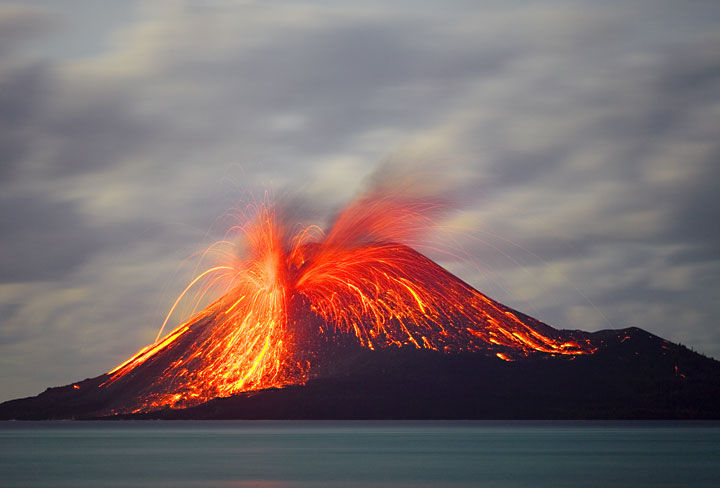
Indonesia is once again experiencing significant volcanic activity, raising questions among travelers and residents about whether Bali is being affected. The short answer is yes, Bali has experienced some indirect impacts, particularly on air travel. However, the recent major eruption that caused widespread disruption was Mount Anak Krakatau, located in the Sunda Strait between Java and Sumatra — not on the island of Bali.
How Has Bali Been Affected?
The biggest impact on Bali has been through aviation. On September 6, increased activity from Anak Krakatau led to volcanic ash entering areas of concern for aviation. At Bali's I Gusti Ngurah Rai International Airport, several flights were cancelled or had their schedules adjusted. Airport authorities initially reported more than a dozen affected flights, while later updates reported 42 flights cancelled or rescheduled by the afternoon.
This demonstrates how a volcanic eruption hundreds of kilometers away can still affect Bali. Volcanic ash can travel long distances through the atmosphere, and even when an airport is far from the volcano itself, airlines may need to change routes or cancel flights when ash creates a potential safety risk.
Is Bali Covered in Volcanic Ash?
There is an important distinction between Bali being affected by volcanic activity and Bali experiencing direct ashfall from the volcano. The Anak Krakatau eruption occurred in the Sunda Strait, far west of Bali. The major ash clouds were reported over parts of Java, Sumatra and surrounding waters. Therefore, the main concern for Bali has been airspace and flight operations rather than widespread volcanic ash covering tourist areas.
Travelers should also remember that Indonesia has several active volcanoes. Mount Lewotobi Laki-Laki in East Nusa Tenggara, for example, remained at Alert Level III, with authorities maintaining exclusion zones around the volcano.
What Does This Mean for Tourists Visiting Bali?
For most visitors, Bali remains accessible, but travelers should pay close attention to flight updates. Volcanic eruptions can create rapidly changing conditions. Even if Bali's weather and tourist destinations appear completely normal, flights can still be delayed or cancelled because aircraft routes may cross areas affected by volcanic ash. Travelers heading to Bali should:
Check their airline's flight status before going to the airport.
Allow extra time for possible delays.
Monitor official airport and aviation announcements.
Keep flexible travel plans when volcanic activity increases.
Follow instructions from Indonesian authorities.
The recent disruption also shows why volcanic activity is an important consideration when traveling through Indonesia, one of the world's most volcanically active countries.
Should You Cancel Your Bali Trip?
Not necessarily. The recent Anak Krakatau eruption does not mean that Bali itself is under a volcanic emergency. The main immediate effect has been disruption to some flights rather than a widespread evacuation or closure of Bali's tourist areas. However, conditions can change quickly. Travelers should rely on updates from airlines, airport authorities and Indonesian government agencies rather than social media rumors. For tourists already in Bali, the best approach is to remain informed, stay calm and check transportation updates if they have an upcoming flight.
Bali Remains Watchful as Indonesia Monitors Volcanoes
Indonesia's location along the Pacific Ring of Fire means volcanic activity is a recurring natural phenomenon. The recent Anak Krakatau eruption is another reminder that volcanic events can affect transportation well beyond the immediate area surrounding a volcano. For Bali, the current lesson is particularly important for the tourism industry: the island may not be directly threatened by a particular eruption itself is not occurring in Bali. Travelers should monitor aviation conditions while continuing to follow official safety guidance.

Comments