
.png)
CIMB Niaga Reveals Impact of Indonesia’s 0% QRIS MDR Policy
CIMB Niaga Acknowledges Lower QRIS Fees
Indonesia’s expanded QRIS Policy has started to affect the fees banks receive from QRIS transactions.
The new 0% Merchant Discount Rate (MDR) policy took effect on 1 October 2026. It means QRIS transactions up to Rp100,000 across merchant categories are no longer subject to MDR. The policy also provides 0% MDR for micro businesses (UMI) for transactions up to Rp500,000. CIMB Niaga has acknowledged that the policy reduces part of the bank’s fee income from QRIS. However, the bank says it continues to support the policy because it can encourage wider use of digital payments and support economic activity.
QRIS Still Important for CIMB Niaga
Despite the lower fees, CIMB Niaga does not appear overly concerned about the impact on its QRIS business.
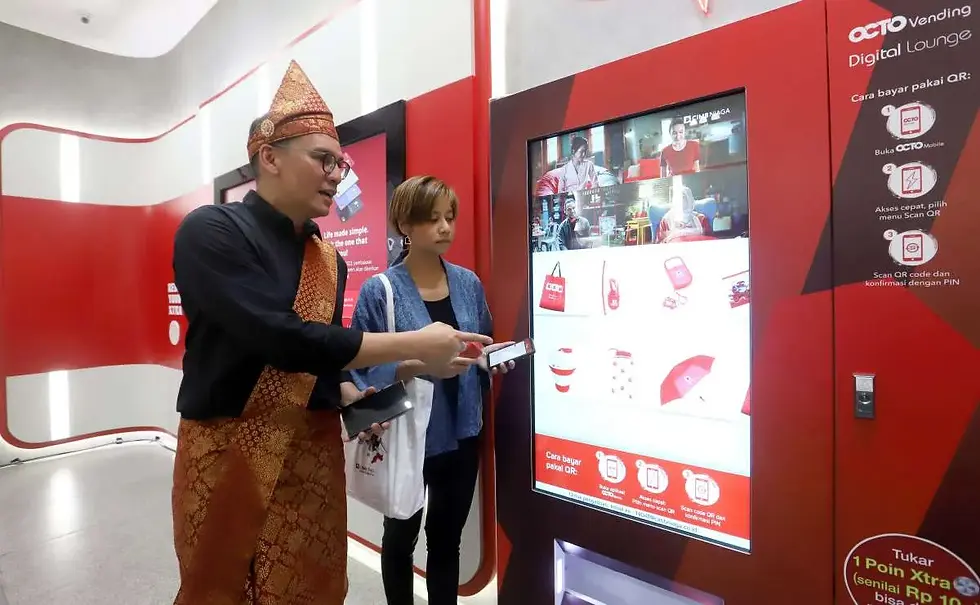
The bank sees QRIS as an important feature for increasing customer loyalty and encouraging customers to make more transactions through its digital banking platform, OCTO. QRIS transactions through OCTO increased 65% year-on-year during the first half of 2026, showing strong customer adoption of digital payments. For customers, QRIS also offers a simple alternative to cash and card payments, making everyday transactions faster and more convenient.
A Trade-Off Between Fees and Digital Growth
The situation highlights an important trade-off for Indonesia’s banking industry.
A 0% MDR policy can reduce direct transaction fees for banks and payment providers. At the same time, cheaper QRIS transactions could encourage more merchants and consumers to use digital payments.
QRIS adoption is already growing rapidly. By June 2026, Indonesia had 65.77 million QRIS users and 44.86 million merchants, with 96.68% of merchants classified as UMKM. QRIS transactions reached 12.55 billion during the first half of 2026. For banks, the opportunity may therefore move beyond MDR income. More digital transactions can strengthen customer engagement and create opportunities to offer other banking services.
What It Means for Indonesia’s Digital Economy
The expansion of the 0% QRIS MDR policy is part of Indonesia’s wider push toward a more digital economy.
For small businesses, lower transaction costs can make digital payments more attractive. For consumers, it provides another convenient way to pay. For banks such as CIMB Niaga, the challenge is finding long-term value from a growing digital customer base while adjusting to lower fee income. The QRIS Policy may therefore change how banks measure the value of digital payments — not only by the fees generated, but also by the customers, transactions and wider banking relationships they create.


Comments