
.png)
Grasberg Copper Mill Recovery: Freeport Restores 67% of Operations Following Mudslide

Indonesia’s mining industry is closely watching the recovery of Freeport’s Grasberg copper mill following a devastating mudslide that disrupted operations at one of the world’s most significant copper mining complexes. The mill has reportedly reached 67% of its targeted operating capacity, marking an important milestone in the effort to restore production and stabilize operations.
The progress highlights the scale of the recovery challenge facing Freeport-McMoRan and its Indonesian subsidiary, PT Freeport Indonesia. Beyond restoring mining activities, the recovery is important for copper supply, Indonesia’s mineral industry and the broader economic contribution of the Grasberg operation.
As demand for copper remains closely linked to infrastructure, electrification and industrial development, the restoration of the Grasberg copper mill is an important development for Indonesia and the global mining sector.
Freeport-McMoRan has made significant progress in restoring operations at its Grasberg copper-gold complex in Central Papua, Indonesia, following a fatal mudslide in September 2025. During the third quarter of 2026, the Grasberg copper mill averaged approximately 140,000 tonnes of ore processing per day, equivalent to 67% of its normal milling rate. This was slightly higher than the 65% recovery level anticipated by analysts.
The milestone represents an important step in the recovery of one of the world's largest copper and gold mining operations. However, the mill is still operating below its normal capacity, and Freeport is continuing its phased recovery plan to restore production safely and sustainably.
1. A Major Recovery Following the 2025 Mudslide
On September 8, 2025, a major mudslide, also described as a wet material slide or mud rush, struck the Grasberg Block Cave underground mine. The incident involved approximately 800,000 tonnes of wet material entering the underground mining area, resulting in the deaths of seven workers and the suspension of affected operations.
The disruption created significant operational challenges for Freeport, requiring extensive remediation, infrastructure restoration and safety improvements before mining activities could resume.
Following the incident, PT Freeport Indonesia began a phased restart process, prioritizing the restoration of unaffected mining areas and the gradual recovery of the Grasberg Block Cave. By the third quarter of 2026, the mill had reached an average processing rate of around 140,000 tonnes per day. This progress demonstrates the scale of the work undertaken to restore operations, although further recovery remains necessary before the complex returns to full capacity.
2. Grasberg Targets 80% Capacity by Mid-2027
Freeport is continuing to focus on restoring the Grasberg copper mill through a structured ramp-up plan. The company expects the operation to reach approximately 80% of normal capacity by mid-2027, with near-full production targeted by the end of 2027.
The recovery plan includes restarting additional underground production areas, upgrading material-handling infrastructure and strengthening risk-mitigation systems.
The Grasberg Block Cave supplied approximately 70,000 tonnes of ore per day to the mill during the third quarter of 2026. Upgrades to the underground material-handling system remain scheduled for completion in early 2027, while the restart of Production Block 1S is targeted for mid-2027.
These developments are expected to support higher ore throughput and improve the stability of mining operations as Freeport progresses toward its production targets.
3. Impact on Global Copper Supply
The recovery of Grasberg is significant not only for Indonesia but also for the international copper market. Grasberg is one of the world's largest copper and gold deposits, and its production contributes to global supplies of metals used in construction, power infrastructure, electronics, electric vehicles and renewable energy systems.
The 2025 disruption was estimated to have removed approximately 278,000 tonnes of copper from global mine supply that year, equivalent to around 1.2% of global mine output, according to Benchmark Mineral Intelligence, as reported by The Northern Miner. With global industries continuing to invest in electrification, data infrastructure and energy transition projects, reliable copper supply remains an important economic consideration.
The gradual restoration of Grasberg's processing capacity could help improve supply availability over time. Nevertheless, the actual impact on the copper market will also depend on production levels at other mines, global demand, inventories and wider market conditions.
4. Copper and Gold Production Show Signs of Progress
Freeport's third-quarter results also indicate progress across its wider operations. The company reported approximately 830 million pounds of copper and 230,000 ounces of gold produced during the quarter, broadly in line with its expectations. However, milling rates should not be interpreted as an identical percentage of copper or gold production. Actual metal output also depends on ore grades, recovery rates and the mix of material processed. Freeport continues to manage the financial impact of the Grasberg recovery, including costs associated with idle facilities and restoration work. The timing of refined gold sales and changes in by-product credits can also influence reported financial performance.
As production capacity improves, the company's ability to stabilize output and manage operating costs will remain important indicators of the recovery's success.
5. Indonesia's Domestic Processing Industry Also Benefits
The recovery of Grasberg is closely connected to Indonesia's broader ambition to strengthen its domestic mineral processing industry.
PT Freeport Indonesia's smelter in East Java restarted operations in late August 2026 after a temporary suspension. Freeport reported that its ramp-up was progressing in line with expectations. Together with the separately operated PT Smelting facility, the two smelters have the capacity to produce up to 800,000 tonnes of copper cathode annually.
The restoration of mining and smelting operations is important for maintaining the flow of copper materials through Indonesia's domestic industrial supply chain. By processing copper within the country, Indonesia can support downstream manufacturing activities and retain more value from its mineral resources. The pace of this progress, however, depends on stable concentrate supply, reliable infrastructure and consistent plant operations.
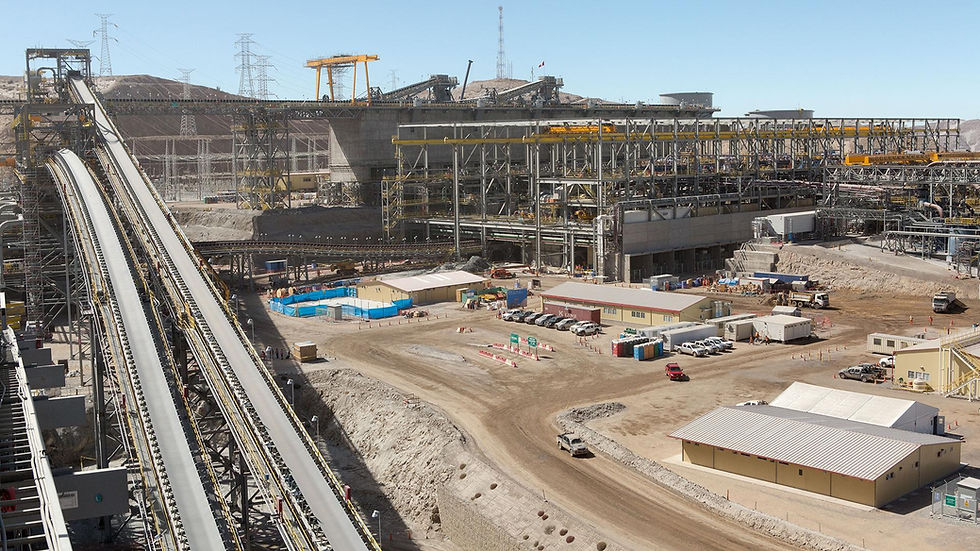
Freeport's Grasberg copper mill reaching 67% of normal milling rates marks an important milestone following the devastating mudslide in 2025. The recovery demonstrates meaningful progress in restoring a major mining operation, while the company's targets of 80% capacity by mid-2027 and near-full production by year-end provide a clear direction for the next phase. As global copper demand continues to be shaped by infrastructure development, electrification and industrial expansion, the performance of major mining operations such as Grasberg will remain important to the wider market.
For Indonesia, the continued recovery of Grasberg represents an opportunity to strengthen its mining industry and domestic processing capabilities. Ultimately, the most important measure of success will be whether Freeport can restore production while maintaining safe, stable and sustainable operations.
Sources: The Northern Miner, October 2, 2026; Freeport-McMoRan operational updates; PT Freeport Indonesia. Figures and recovery targets reflect information available as of October 2026.

Comments