
.png)
Indonesia Manufacturing Under Pressure as PMI Falls Below 50
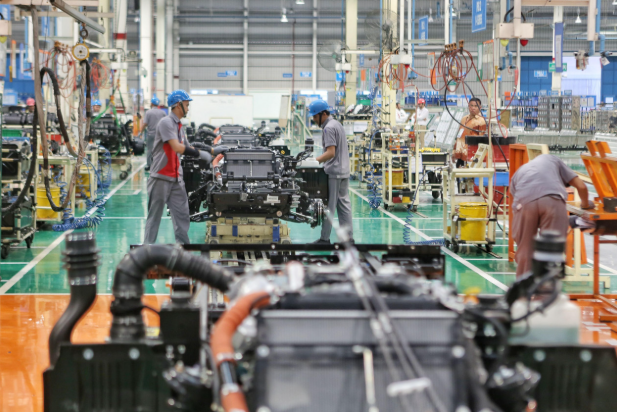
Indonesia’s manufacturing sector came under renewed pressure in August as factory activity slipped back into contraction territory. The country’s manufacturing Purchasing Managers’ Index (PMI) fell to 49.8, moving below the critical 50-point threshold that separates expansion from contraction. The latest reading highlights a challenging environment for manufacturers, with lower output and employment contributing to the decline. Businesses also reported continued pressure from competition, subdued demand and rising input costs.
Manufacturing Activity Loses Momentum
The August PMI reading of 49.8 represents a setback for Indonesia’s manufacturing industry after activity had shown signs of resilience. A PMI reading above 50 generally indicates that manufacturing conditions are improving, while a reading below 50 signals deterioration. The decline suggests that manufacturers faced weaker operating conditions during the month, particularly as production levels came under pressure. Lower output was one of the factors weighing on the overall performance. Manufacturers also reduced employment, reflecting more cautious business conditions and the need to manage costs amid uncertain demand.
Competition and Weak Demand Add Pressure
Indonesian manufacturers continue to operate in a highly competitive regional and global environment. Companies reported stronger competition as one of the challenges affecting business conditions. At the same time, subdued demand has made it more difficult for manufacturers to maintain production momentum. Softer orders can affect factory utilization, inventory decisions and hiring plans, creating additional pressure throughout the manufacturing supply chain. For companies competing on international markets, changes in global demand and pricing can also influence production decisions.
Rising Input Costs Remain a Concern
Higher input costs are adding another layer of pressure for Indonesian manufacturers. Businesses must balance increasing costs for materials and other production inputs with demand conditions that remain relatively subdued. When manufacturers cannot fully pass higher costs on to customers, profit margins can come under pressure. This can encourage businesses to focus on efficiency, cost management and productivity improvements.
What the PMI Means for Indonesia
The return to a PMI reading below 50 is an important indicator for Indonesia’s industrial sector. Manufacturing plays a significant role in the country's economy, supporting employment, exports and extensive domestic supply chains. However, one monthly PMI figure does not by itself determine the long-term direction of Indonesia’s manufacturing industry.
Future readings will be important in showing whether August’s contraction represents a temporary slowdown or part of a more sustained period of weaker factory activity. For manufacturers, the immediate priorities are likely to include managing input costs, responding to changing customer demand and maintaining competitiveness.
Indonesia’s Manufacturing Outlook
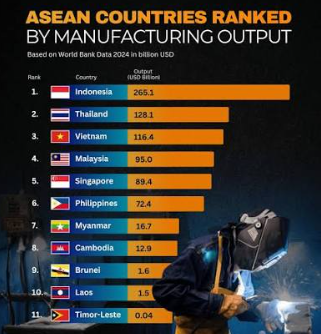
Indonesia remains an important manufacturing hub in Southeast Asia, but August’s PMI highlights the challenges businesses are currently navigating. With Indonesia Manufacturing activity slipping to 49.8, manufacturers will be watching demand, production and cost conditions closely in the months ahead. A recovery in new orders and output could provide support for factory activity, while continued weak demand and cost pressures could keep the sector under strain. The next PMI readings will provide a clearer indication of whether Indonesia’s manufacturing sector can return to sustained growth.


Comments