
.png)
Spain's Tourism Economy: How Seasonal Travel Continues to Drive Business Growth

Spain has long been one of the world's most popular travel destinations, welcoming millions of international visitors each year. From Mediterranean beaches and historic cities to renowned cuisine and cultural festivals, tourism plays a vital role in the country's economy. As the peak travel season arrives, Spain experiences a significant increase in economic activity. Hotels, restaurants, transportation providers, retailers, and entertainment businesses benefit from higher visitor spending, making tourism one of the country's most important drivers of seasonal growth.
Tourism: A Key Pillar of Spain's Economy
Tourism contributes substantially to Spain's national economy and supports millions of jobs across multiple industries. The sector generates revenue not only for hotels and airlines but also for restaurants, local shops, tour operators, museums, event organizers, and countless small businesses. Many regions rely heavily on visitor spending during the busy spring and summer months to sustain economic activity throughout the year.
Popular destinations such as Barcelona, Madrid, Seville, Valencia, Málaga, and the Balearic and Canary Islands continue to attract travelers from Europe, North America, Asia, and beyond.
Seasonal Growth Creates Business Opportunities
The summer tourism season brings a noticeable boost to business activity across Spain.
Higher visitor numbers increase demand for:
Hotels and holiday accommodations
Restaurants and cafés
Retail stores
Public transportation
Car rental services
Guided tours
Cultural attractions
Entertainment venues
For many businesses, the peak tourism season represents their most profitable period of the year, helping offset quieter months during the off-season.
Hospitality Industry Benefits
Spain's hospitality sector experiences one of the greatest impacts from seasonal tourism.
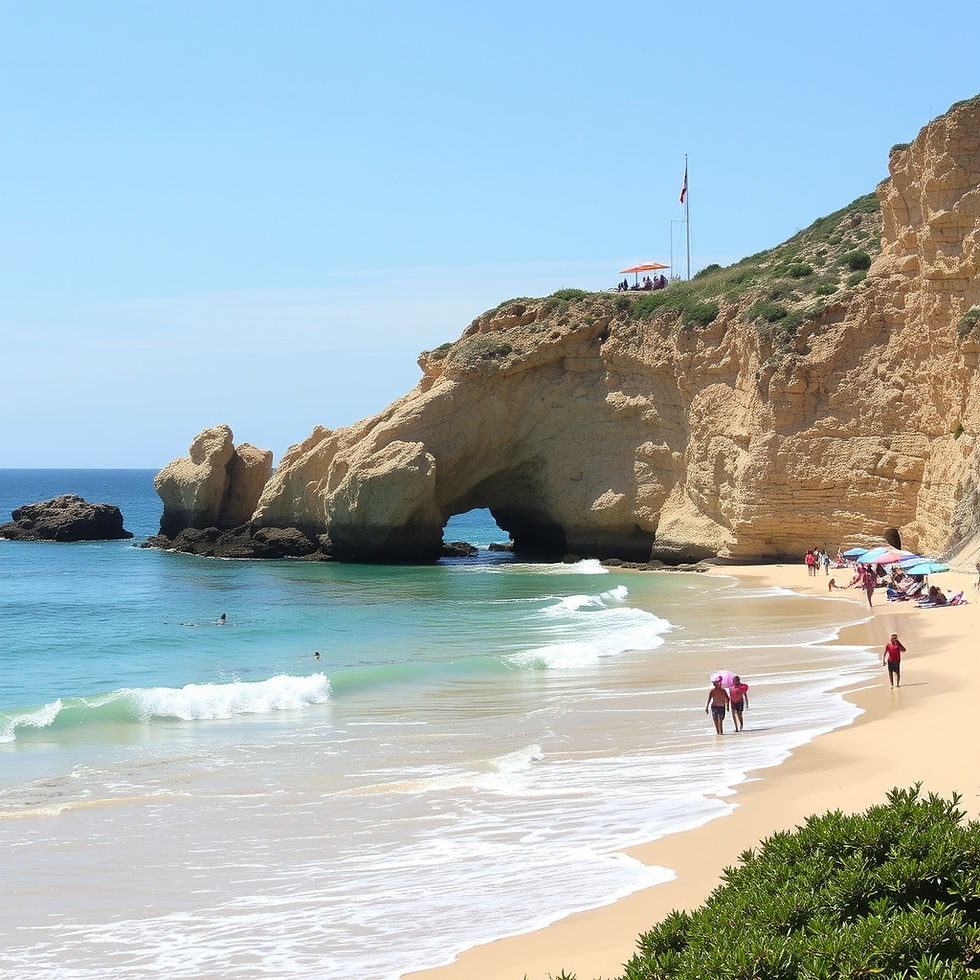
Hotels often operate at high occupancy during summer, while restaurants and cafés welcome both international visitors and domestic travelers. Coastal destinations, in particular, experience increased demand as tourists seek beaches, outdoor dining, and local experiences.
Many hospitality businesses hire temporary staff during peak periods, creating seasonal employment opportunities for students, young professionals, and workers seeking flexible jobs.
Small Businesses Thrive During Tourist Season
Seasonal tourism also supports thousands of small and family-owned businesses.
Local artisan shops, souvenir stores, markets, and independent tour companies benefit from increased foot traffic. Visitors often seek authentic Spanish products, handcrafted goods, regional foods, and cultural experiences that contribute directly to local economies. The additional revenue generated during the tourism season helps many small enterprises invest in future growth and maintain operations throughout the year.
Infrastructure and Investment
Spain continues investing in transportation, public infrastructure, airports, rail networks, and digital services to improve the visitor experience.
Modern infrastructure not only benefits tourists but also strengthens business competitiveness by making travel more convenient and supporting efficient logistics across the country.
These investments help Spain remain one of Europe's leading tourism destinations while encouraging private-sector investment in hospitality, real estate, and commercial development.
Challenges of Seasonal Tourism
While tourism brings significant economic benefits, it also presents challenges.
Some destinations experience overcrowding during peak months, placing pressure on public transportation, housing, and local infrastructure. Businesses that depend heavily on seasonal demand may also face fluctuations in revenue during quieter periods. To address these issues, many regions are promoting year-round tourism through cultural festivals, business conferences, culinary experiences, nature tourism, and sports events that attract visitors beyond the summer season.
The Rise of Sustainable Tourism
Sustainability has become an increasingly important focus within Spain's tourism industry.
Many businesses are adopting environmentally friendly practices, including energy-efficient hotels, waste reduction initiatives, and responsible tourism programs designed to protect natural and cultural heritage.
Travelers are also showing greater interest in eco-friendly accommodations, local experiences, and destinations that prioritize sustainable development.
The outlook for Spain's tourism sector remains positive. Continued investment in infrastructure, digital innovation, hospitality services, and sustainable tourism is expected to strengthen the industry's contribution to the national economy.
As global travel demand continues to grow, Spain is well positioned to remain one of the world's leading destinations while creating new opportunities for entrepreneurs, investors, and local businesses.
Tourism continues to be a powerful engine of seasonal economic growth in Spain. From bustling hotels and restaurants to small family-owned businesses and transportation providers, the industry's impact extends across nearly every sector of the economy.
While challenges such as seasonality and overcrowding remain, ongoing investment and a growing focus on sustainability are helping ensure that tourism continues to support long-term business success. For companies, investors, and entrepreneurs, Spain's tourism economy offers valuable opportunities in one of Europe's most dynamic markets.



Comments