
.png)
Travel Ads on TikTok: Do Engaging Videos Really Turn Views Into Bookings?
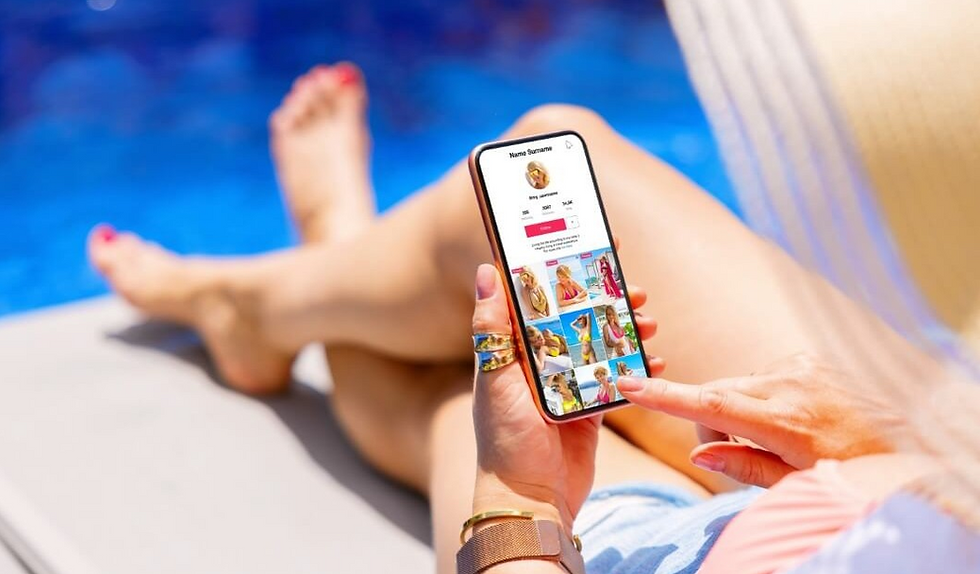
TikTok has transformed the way people discover destinations, hotels, restaurants and travel experiences. What starts as a short video on a user's For You Page can quickly become travel inspiration — and, in some cases, the reason someone decides to book a trip. For travel brands and tourism businesses, this raises an important question: do engaging TikTok videos actually turn viewers into travelers, or are users simply watching for entertainment? The answer appears to be increasingly connected to how travel content is created and presented.
From Travel Inspiration to Travel Planning
Traditional travel advertising often puts a destination, hotel or airline directly in front of consumers with a clear sales message. TikTok works differently. A traveler may discover a destination through a creator's "hidden gems" video, a hotel room tour, a food recommendation or a short itinerary. Instead of feeling like a conventional advertisement, the content can feel like a personal recommendation from someone who has already experienced the destination.
This discovery-driven approach can make TikTok particularly powerful during the early stages of travel planning.
A viewer might initially watch a video simply because it is entertaining. However, seeing the destination repeatedly through different creators can turn curiosity into genuine interest — followed by searches for flights, hotels, activities and travel information.
Why Engaging Content Matters
Not every travel advertisement will convince someone to book a trip. On TikTok, attention is highly competitive. Travel marketers need to capture interest quickly while giving viewers a reason to continue watching. Content that performs well can include:
Beautiful destination videos
Hotel and resort room tours
"Things to do" guides
Local food recommendations
Budget travel tips
Hidden destinations
Short travel itineraries
Before-and-after travel experiences
Creator reviews and personal recommendations
The strongest videos often tell a story rather than simply promoting a product. For example, a video showing "5 things I wish I knew before visiting Bangkok" may generate more interest than a straightforward advertisement saying "Visit Bangkok."
Can TikTok Actually Influence Booking Decisions?
Yes — but the path from viewing a video to making a booking is rarely immediate. Travel purchases are usually considered purchases. People may watch a destination video today, save it, send it to a friend and return to it weeks or months later when planning their next vacation. This means TikTok can influence several stages of the customer journey: Discovery → Inspiration → Research → Consideration → Booking, A TikTok video may not always receive credit for the final booking, even when it helped create the original interest. This is an important consideration for travel marketers measuring the effectiveness of TikTok campaigns.
Creators Can Make Travel Advertising Feel More Authentic
Influencer and creator content can be particularly useful for travel businesses because audiences often want to see what an experience actually looks like. A creator staying at a hotel can show the room, breakfast, facilities and surrounding area in a way that traditional advertising may struggle to replicate. Similarly, a destination creator can demonstrate what it is like to walk through a neighborhood, eat at a local restaurant or visit a tourist attraction. The result is content that can feel less like an advertisement and more like travel advice. However, authenticity remains important. Audiences can quickly recognize content that feels overly scripted or promotional.
The Importance of TikTok's Search Behavior
TikTok is also increasingly becoming a place where people search for information. Travelers can search directly for destinations, hotels, restaurants, attractions and itineraries. This gives tourism businesses another opportunity to appear in front of potential customers who are already researching where to go.
For marketers, this means travel videos should not only be entertaining. They should also communicate useful information and make the destination easy to understand. Using relevant keywords in captions, on-screen text and spoken content can help connect videos with people actively looking for travel ideas.
Views Are Not the Same as Bookings
One of the biggest mistakes in travel marketing is assuming that a viral video automatically means a successful campaign. A video can generate millions of views without producing significant bookings. Travel businesses should therefore look beyond views and likes. Depending on the campaign, useful performance indicators can include:
Website visits
Hotel or tour page visits
Search activity
Link clicks
Enquiries
Saved videos
Shares
Booking conversions
Cost per booking
Return on advertising spend
These metrics can provide a clearer picture of whether TikTok content is contributing to actual business results.
So, Do People Really Book Trips Because of TikTok?
TikTok can absolutely play a role in travel bookings, but it is better understood as part of a wider customer journey rather than a guaranteed direct-sales channel. An engaging video can create the initial desire to visit a destination. A creator recommendation can build trust. A hotel video can encourage further research. A well-targeted advertisement can then bring the potential traveler closer to making a booking.
The most effective travel campaigns therefore combine inspiration, authenticity and a clear path to action. For tourism brands, hotels, airlines, restaurants and travel agencies, the opportunity is not simply to advertise on TikTok. It is to create content that makes people think: "I want to go there." And when that inspiration is connected to an easy booking journey, a TikTok view can potentially become much more than a view — it can become a real trip.
Final Thoughts
Travel advertising is increasingly moving from traditional promotional messages toward content-driven discovery. TikTok is at the center of this shift, particularly among travelers who use short-form video to find new destinations and experiences. For marketers, the key lesson is simple: don't focus only on selling the trip. Create content that makes people want to take the trip.


Comments