
.png)
Indonesia Volcano Update: Anak Krakatau, Semeru and Ibu Remain Active on September 11, 2026

Indonesia remains on close watch for volcanic activity as several volcanoes continue to show signs of eruption and heightened activity across different parts of the country. The latest developments on September 11, 2026, show that Mount Anak Krakatau, Mount Semeru, Mount Ibu and Mount Ili Lewotolok are among the volcanoes that have recently experienced eruptions. Indonesian authorities continue to monitor the situation through the Center for Volcanology and Geological Hazard Mitigation (PVMBG).
Anak Krakatau Remains a Major Focus
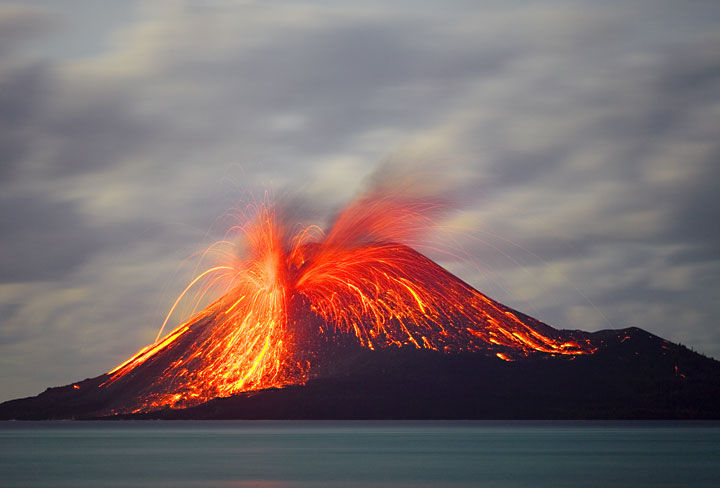
The biggest recent volcanic event has involved Anak Krakatau, located in the Sunda Strait between Java and Sumatra. The volcano experienced a roughly 25-hour continuous eruption earlier in September, producing significant volcanic ash and disrupting aviation across parts of Indonesia. The eruption forced several airports to temporarily close and affected hundreds of thousands of travelers.
Indonesia's Ministry of Energy and Mineral Resources confirmed that the continuous eruption episode ended on September 6, but Anak Krakatau remained at Level III, or Siaga. Authorities have continued monitoring the volcano because further eruptions remain possible. As of September 11, the volcano continued to show activity, although its overall activity was reported to be declining. Authorities maintained a 3-kilometer exclusion zone around the active crater.
Mount Semeru Continues to Erupt
In East Java, Mount Semeru also remains active. PVMBG data reported another eruption on September 11 at 9:45 a.m. local time. The eruption was recorded by a seismograph with a maximum amplitude of 22 mm and a duration of 138 seconds. Semeru had recorded 23 eruptions during the preceding week, according to the reported PVMBG data. Semeru remains at Level III (Siaga), making it one of Indonesia's volcanoes requiring particularly close monitoring.
Mount Ibu Also Shows Continued Activity
Mount Ibu in North Maluku recorded another eruption on the morning of September 11. The eruption occurred at 8:58 a.m. WIT and was recorded by seismic instruments with a maximum amplitude of 28 mm and a duration of 45 seconds. Reports based on PVMBG data said Mount Ibu had experienced 40 eruptions during the previous week. Mount Ibu was reported at Level II (Waspada).
Ili Lewotolok Records Several Eruptions
Another active volcano is Mount Ili Lewotolok in East Nusa Tenggara. PVMBG reported six eruptions on September 11, with ash columns reaching as high as approximately 700 meters above the summit. The volcano remained at Level II, with ash drifting toward the west and northwest during some of the eruptions.
What Does This Mean for Travelers?

The latest activity does not mean that all of Indonesia is experiencing a volcanic emergency. Indonesia has many active volcanoes, and volcanic activity can be concentrated around specific mountains and surrounding exclusion zones. Indonesia's government has also warned against misinformation claiming that all Indonesian volcanoes are erupting simultaneously.
The Ministry of Communication and Digital Affairs classified that claim as false, noting that only a limited number of volcanoes were experiencing eruptions in the period referenced. For travelers, residents and businesses, the most important step is to follow local authorities and PVMBG recommendations, particularly when visiting areas close to active volcanoes.
The Situation Remains Closely Monitored
As of September 11, 2026, Indonesia's volcanic situation remains dynamic. Anak Krakatau continues to receive particular attention following its major eruption earlier this month, while Semeru, Ibu and Ili Lewotolok have also demonstrated ongoing activity. The situation can change quickly, so people living near volcanoes and tourists planning visits should check official Indonesian volcanic and disaster-management information before traveling.

Comments