
.png)
ISPA Cases Rise Across Indonesia: Understanding the Growing Respiratory Health Risk

Indonesia is facing a growing public-health concern as cases of Acute Respiratory Infection (ISPA) increase in several regions. The recent rise has been linked to worsening air quality, particularly smoke from forest and land fires, while volcanic ash has also created respiratory health risks in some areas. ISPA, or Infeksi Saluran Pernapasan Akut, refers to infections affecting the respiratory system, including the nose, throat and lungs. Symptoms can range from coughing and a sore throat to fever, difficulty breathing and fatigue.
ISPA Cases Rise in Several Indonesian Provinces
Recent health data has highlighted a significant increase in reported ISPA cases in areas affected by forest and land fires. Smoke and fine particles released by fires can reduce air quality and irritate the respiratory system. Children are among those particularly vulnerable to polluted air because their respiratory systems are still developing. Older adults and people with existing respiratory or cardiovascular conditions can also face greater risks. The increase has been reported across several provinces, including areas in Kalimantan and Sumatra that have experienced smoke from forest and land fires.
Wildfire Smoke and Air Pollution
One of the major concerns behind the recent increase is exposure to haze and fine particulate matter. Smoke from forest and land fires can contain tiny particles that enter deep into the lungs. Prolonged exposure may worsen coughing, breathing difficulties and other respiratory symptoms. When air quality deteriorates, health authorities generally encourage residents to reduce prolonged outdoor activities, particularly during periods when pollution levels are high.
Volcanic Ash Adds Another Respiratory Risk
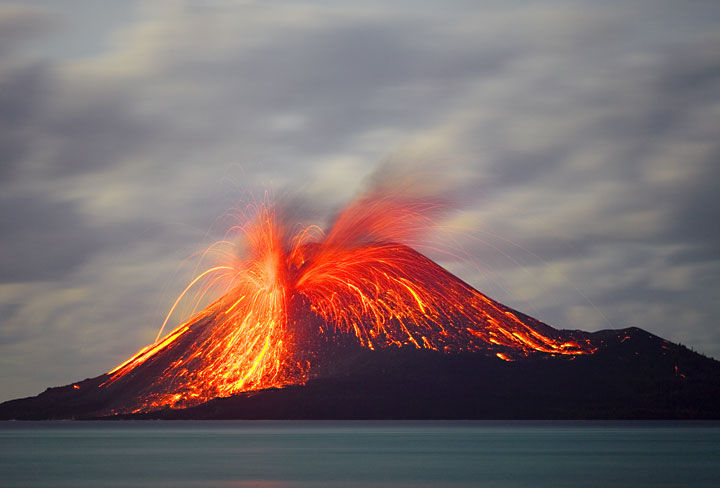
Forest-fire smoke is not the only concern. Volcanic activity, including eruptions from Anak Krakatau, has also contributed to respiratory concerns in parts of Indonesia. Volcanic ash can irritate the eyes, nose, throat and lungs. People exposed to ash may experience coughing, sore throat, difficulty breathing or irritation of the eyes and skin. This makes monitoring air quality especially important for communities located near areas affected by volcanic activity.
Who Is Most at Risk?
Although anyone can develop an acute respiratory infection, some groups may be more vulnerable to the effects of air pollution and smoke. These include:
Children, particularly young children
Older adults
People with asthma or other respiratory conditions
People with cardiovascular disease
Pregnant women
People who spend long periods outdoors
How Can People Protect Themselves?
During periods of poor air quality, residents can take several precautions to reduce exposure. Wearing a suitable mask when outdoors can help reduce inhalation of airborne particles. People can also keep windows and doors closed when outdoor air quality is particularly poor and limit strenuous outdoor activities. Staying hydrated and maintaining good hygiene can also support general health. However, people experiencing serious breathing difficulties, persistent high fever or worsening symptoms should seek medical attention.
A Growing Environmental and Health Challenge
Indonesia's recent ISPA situation highlights how environmental events can quickly become public-health issues. Forest fires, haze and volcanic activity can all affect the quality of the air people breathe. As the situation develops, continued monitoring of air quality, early health warnings and access to medical services will remain important for communities exposed to smoke and ash.
For families, one of the most important steps is staying informed about local air conditions and following guidance from health and emergency authorities. ISPA is a reminder that environmental health and human health are closely connected. As Indonesia continues to deal with fire-related haze and volcanic activity, protecting respiratory health should remain a priority.

Comments