
.png)
Iyengar Yoga Benefits: How Precision and Alignment Can Transform Your Practice

Yoga comes in many different styles, and each approach offers a different way to connect movement, breathing, and awareness. Iyengar Yoga is one of the most precise and structured forms of yoga, placing particular emphasis on correct alignment, controlled movements, and holding poses with awareness. Developed by renowned Indian yoga teacher B.K.S. Iyengar, this style has become known for its systematic approach and use of props such as blocks, straps, blankets, bolsters, and chairs. Rather than moving quickly from one posture to another, Iyengar Yoga encourages practitioners to understand how their bodies move and how small adjustments can improve alignment and stability.
What Is Iyengar Yoga?
Iyengar Yoga is a style of Hatha Yoga that emphasizes precision in performing yoga poses, known as asanas, along with breathing practices called pranayama. The practice was developed by B.K.S. Iyengar, whose teachings helped introduce his method to students around the world. His approach focused heavily on anatomical alignment and making yoga accessible to people with different physical abilities. One of the most recognizable characteristics of Iyengar Yoga is its use of props. A yoga block, strap, chair, blanket, or bolster can help a practitioner achieve better positioning without forcing the body into a posture. The goal is not simply to perform a pose but to understand it.
What Makes Iyengar Yoga Different?
Many yoga classes involve a continuous flow between postures. Iyengar Yoga generally takes a more deliberate approach. A class may involve spending more time in individual poses while the teacher provides detailed instructions about positioning. Key principles often include:
Precision: Paying close attention to how each posture is performed.
Alignment: Positioning the body carefully to create stability and balance.
Timing: Holding poses for an appropriate amount of time.
Sequencing: Arranging poses thoughtfully to create a specific physical and mental effect.
Props: Using equipment to support proper positioning and accessibility.
This makes Iyengar Yoga particularly appealing to people who enjoy a structured and methodical approach to exercise.
Iyengar Yoga Benefits
There are several potential Iyengar Yoga benefits, particularly when the practice is performed consistently and appropriately for the individual.
1. Improved Flexibility
Regular yoga practice can help improve flexibility and range of motion. Iyengar Yoga's controlled approach gives practitioners time to explore different positions gradually rather than forcing the body into a pose. Props can also make certain postures more accessible while allowing the practitioner to work within a comfortable range.
2. Better Posture and Alignment
One of the central principles of Iyengar Yoga is alignment. Practitioners learn to pay attention to the position of the spine, shoulders, hips, legs, and feet. Developing this awareness may help people recognize inefficient postural habits in everyday activities such as sitting, standing, or walking. Better body awareness can be especially useful for people who spend long periods working at a desk.
3. Increased Strength
Although yoga is often associated with stretching, many Iyengar postures require significant muscular engagement. Standing poses, balancing poses, and supported inversions can challenge different muscle groups and contribute to functional strength and stability.
4. Greater Balance and Stability
Balance is another important part of the practice. Holding standing and balancing postures requires coordination between the muscles, joints, and nervous system. Over time, consistent practice may help improve body control and stability.
5. Enhanced Body Awareness
Iyengar Yoga encourages practitioners to notice small details in their bodies. Instead of simply completing a movement, students may be asked to observe sensations, alignment, breathing, tension, and weight distribution. This increased awareness can help people better understand how their bodies respond to movement and physical activity.
6. Stress Reduction
Yoga combines physical movement with concentration and breathing, which can create a calming experience. The slower and more deliberate nature of Iyengar Yoga may encourage practitioners to focus their attention on the present moment rather than everyday distractions. For some people, this can make yoga a useful part of a broader stress-management routine.
7. Supports Mental Focus
Maintaining a yoga posture requires concentration. Students need to remember alignment instructions, control their breathing, and remain aware of physical sensations. This combination of movement and attention can provide a mental workout as well as a physical one.
8. Accessible to Different Experience Levels
Another advantage of the Iyengar approach is its adaptability. Props can modify poses and provide support, which can make certain postures more approachable for beginners or people who have limited flexibility. However, modifications should ideally be taught by a qualified instructor who understands how to adapt poses safely.
Why Are Yoga Props Used?
Yoga props are not simply accessories. In Iyengar Yoga, they are important tools for learning. For example, a block can bring the floor closer to the hands, while a strap can help provide additional reach. Blankets and bolsters can offer support, and chairs may be incorporated into certain poses. The purpose is to help practitioners experience the intended action of a posture while maintaining appropriate alignment. This approach can help demonstrate that yoga does not have to mean forcing the body into a particular shape.
Is Iyengar Yoga Good for Beginners?
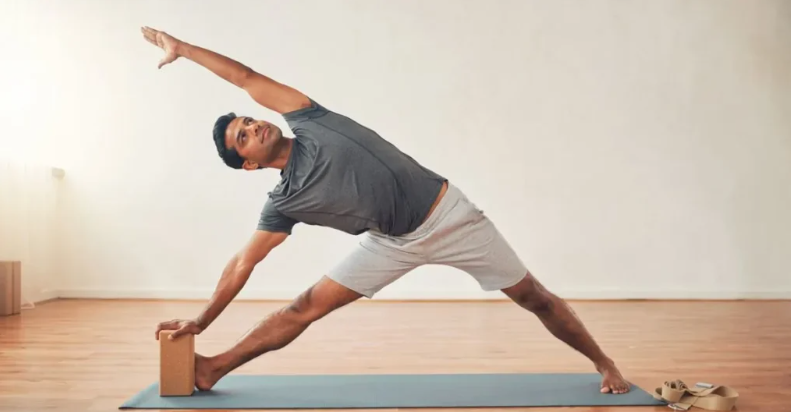
Yes. Iyengar Yoga can be suitable for beginners because the method generally emphasizes learning the fundamentals carefully. New students can learn basic poses, alignment principles, breathing, and the appropriate use of props before progressing to more challenging postures. A beginner should not feel pressured to match another person's flexibility or range of motion. Yoga is a personal practice, and progress can look different for every individual.
Iyengar Yoga and Aging
Maintaining mobility, balance, strength, and body awareness becomes increasingly important as people get older. A carefully adapted yoga practice can be one way to support these areas. Iyengar Yoga's use of props and modifications can make the practice adaptable to different physical abilities. For older adults or anyone with existing physical limitations, however, it is important to choose an experienced instructor and discuss any relevant concerns with a healthcare professional when appropriate.
Is Iyengar Yoga Right for Everyone?
While yoga can offer many benefits, it is not necessary to practice every pose or movement. People with injuries, significant mobility limitations, or certain medical conditions may need modifications or professional guidance. Inversions and more advanced postures, in particular, may not be appropriate for everyone. A qualified Iyengar Yoga teacher can help students adapt their practice according to their abilities and experience.
How to Start Practicing Iyengar Yoga
If you are interested in trying Iyengar Yoga, start with a beginner-level class taught by an experienced instructor. Wear comfortable clothing that allows you to move freely and begin with an open mindset. You do not need to be extremely flexible to start yoga. The most important principles are consistency, patience, awareness, and proper technique. As your practice develops, you may gradually discover that yoga is not only about becoming more flexible. It can also be about learning how to move with greater control and awareness.
The Bigger Picture
The most important lesson behind Iyengar Yoga may be that quality of movement matters more than simply achieving a difficult pose. By focusing on alignment, precision, breathing, and awareness, practitioners can develop a deeper understanding of their bodies. The practice can support flexibility, strength, balance, posture, concentration, and relaxation as part of a broader healthy lifestyle. For people looking for a thoughtful and structured approach to yoga, Iyengar Yoga offers a practice where small adjustments can make a meaningful difference.



Comments