
.png)
Singapore Bets on Smarter Logistics With S$260 Million AI-Enabled Development
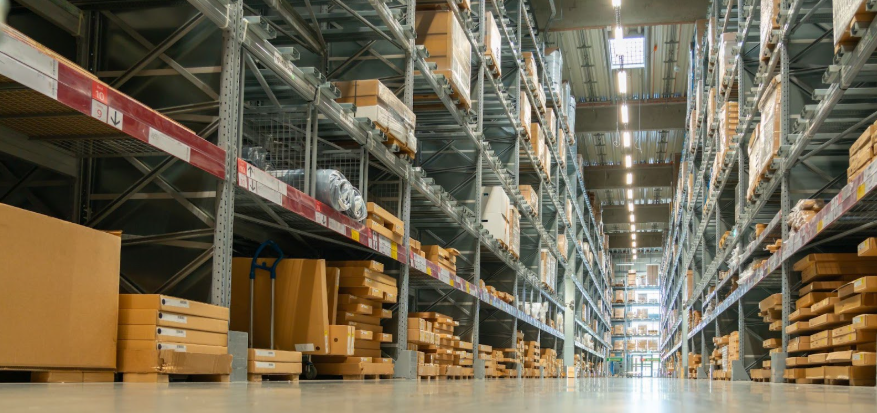
Singapore is taking another step toward building a smarter, more technology-driven logistics sector with a new S$260 million smart-logistics development by Ally Logistic Property and CapitaLand Investment. The project reflects a broader shift in logistics and industrial real estate, where warehouses are no longer viewed simply as places to store goods. Increasingly, they are becoming technology-enabled operating hubs that combine automation, software, artificial intelligence (AI), data and advanced infrastructure.
A New Model for Logistics
The S$260 million development brings together industrial real estate and digital technology, creating an environment designed to support more efficient logistics operations. Traditional warehouses depend heavily on manual processes, from inventory management and picking to transportation coordination. Smart logistics facilities can use automated systems, connected devices and software platforms to improve how goods move through a facility. AI can further support these operations by helping businesses analyze large volumes of data, forecast demand and optimize workflows. For companies operating in Singapore, where land and labor resources are relatively constrained, technology can play an important role in improving productivity while supporting continued growth.
Why Smart Logistics Matters
The logistics industry is facing increasing pressure to deliver goods faster while controlling costs and maintaining reliable supply chains. Smart logistics facilities can potentially address some of these challenges through technologies such as:
Warehouse automation to reduce repetitive manual tasks
AI-enabled systems for data analysis and operational decision-making
Software platforms to coordinate inventory and logistics activities
Connected equipment and sensors for real-time monitoring
Digital management systems to improve visibility across operations
The combination of physical infrastructure and digital technology also creates opportunities for companies to manage logistics operations more efficiently from a centralized platform.
Singapore's Role as a Logistics Hub
Singapore has long positioned itself as an important logistics and trade hub in Asia. Its location, infrastructure and connections to regional markets have helped attract companies involved in manufacturing, distribution and supply-chain management. The move toward smart logistics adds another dimension to this role. Rather than competing only through physical infrastructure, logistics hubs can increasingly differentiate themselves through automation, technology and operational intelligence. For businesses expanding across Southeast Asia, modern logistics facilities could become an important part of their digital transformation strategies.
AI Could Change Warehouse Operations
Artificial intelligence is becoming increasingly relevant to logistics because supply chains generate enormous amounts of operational data. AI-enabled systems can help identify patterns in inventory movement, anticipate demand and support decisions about warehouse capacity and transportation. When combined with automation, these technologies can create logistics environments where software and machines work alongside human employees.
However, smart logistics does not necessarily mean eliminating people from warehouse operations. Instead, technology can shift employees toward tasks that require supervision, problem-solving, customer coordination and other higher-value skills.
Beyond the Warehouse
The significance of the S$260 million development extends beyond the construction of another industrial property. It demonstrates how real estate, technology and logistics are increasingly converging. For property developers and investors, industrial buildings can become technology infrastructure. For logistics companies, warehouses can become data-driven operating centers. And for businesses, these facilities can provide access to more flexible and efficient supply-chain capabilities.
As e-commerce, regional trade and digital business continue to evolve, the demand for smarter logistics infrastructure is likely to remain an important consideration across Asia. Singapore's latest investment shows how the next generation of logistics facilities may be defined not only by their size or location, but also by how intelligently they operate.


Comments