
.png)
Autonomous Taxis Arrive in London as Uber and Wayve Begin New Mobility Era
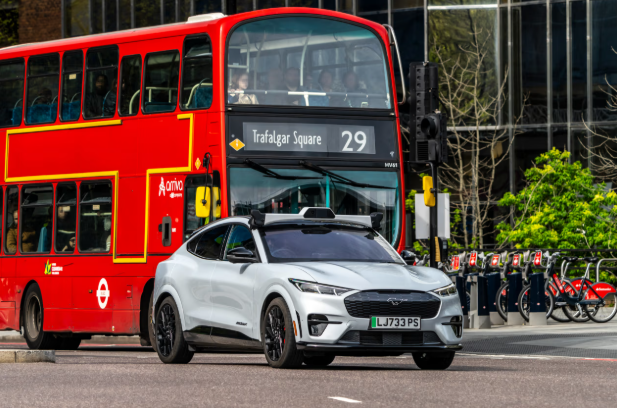
London is taking another step toward the future of transportation as Uber and autonomous driving technology company Wayve launch autonomous taxis on the city's streets. The development marks an important milestone in the adoption of self-driving technology for everyday urban transportation. The partnership brings together Uber's ride-hailing platform and Wayve's artificial intelligence-powered autonomous driving technology. The goal is to introduce autonomous vehicles into London's transportation network while giving passengers an opportunity to experience driverless mobility in real-world conditions.
A New Chapter for London's Mobility
Autonomous taxis are designed to use a combination of artificial intelligence, cameras, sensors and advanced software to understand their surroundings, navigate roads and respond to changing traffic conditions. For London, the introduction is particularly significant because the city presents a complex environment for autonomous driving. Busy intersections, cyclists, pedestrians, narrow streets, changing road layouts and unpredictable traffic patterns all create challenges that self-driving systems must be able to handle.
Wayve has developed an AI-first approach to autonomous driving, with its technology designed to learn from real-world driving environments. Rather than relying solely on highly detailed pre-mapped routes, the company's technology is intended to help vehicles understand and respond to different road situations.
How Uber Fits Into the Autonomous Taxi Model
Uber's role provides the transportation platform through which passengers can access autonomous rides. The company's broader strategy has increasingly involved partnerships with autonomous vehicle developers rather than developing every component of self-driving technology internally. This approach could allow Uber to connect autonomous vehicle operators with its large customer network while providing the infrastructure needed for booking, payments and passenger services. For customers, the experience is intended to remain similar to ordering a conventional Uber. The major difference is that the vehicle can perform the driving task using autonomous technology.
Why Autonomous Taxis Matter
The launch represents more than the arrival of a new type of taxi. Autonomous vehicles could eventually influence how cities think about transportation, vehicle ownership and urban mobility. If autonomous taxi services become more widely adopted, they could potentially operate for longer periods than conventional vehicles and provide transportation in areas or at times where driver availability is limited. However, widespread adoption will depend on several factors, including safety performance, regulatory approval, passenger confidence, operating costs and how autonomous vehicles interact with existing transportation systems.
London as a Real-World Test Environment
London's roads provide an important environment for testing autonomous driving technology because of the city's highly varied transportation landscape. A successful autonomous taxi system must be able to operate alongside buses, taxis, delivery vehicles, cyclists, motorcycles and pedestrians. It must also adapt to weather conditions, temporary road closures, construction and other situations that can make urban driving unpredictable. This makes London's autonomous taxi rollout an important development for the wider autonomous mobility industry.
What Comes Next?
The Uber and Wayve partnership could become part of a broader shift toward commercially available autonomous transportation. As the technology develops, autonomous taxi services may expand into more locations and become increasingly integrated into ride-hailing platforms.
For now, the London launch provides an opportunity to observe how passengers respond to autonomous transportation and how the technology performs in one of the world's busiest and most complicated urban environments.
The development also highlights a broader trend in the mobility industry: artificial intelligence is moving beyond digital applications and increasingly becoming part of the physical infrastructure people interact with every day.
As autonomous driving technology continues to evolve, London could provide an early glimpse of how the taxi experience may change in the years ahead.



Comments