
.png)
Apple Duo Explained: Why Missing Features May Not Stop It From Winning Over Foldable Fans
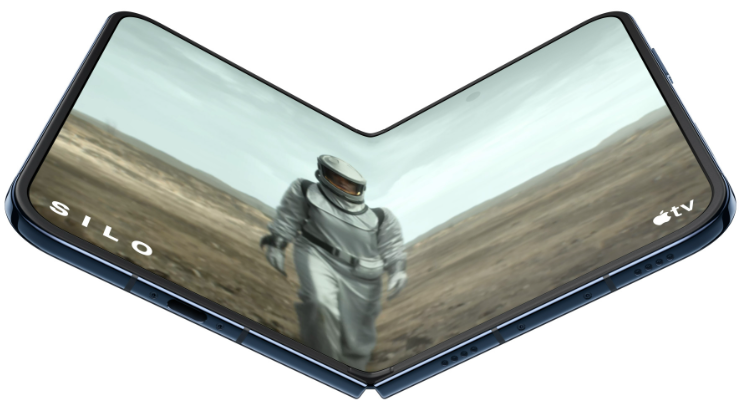
Apple’s entry into the foldable smartphone market is shaping up to be an unusual one. Rather than simply matching the feature lists of existing foldable phones, the rumored Apple Duo is expected to make some compromises—including the possible absence of Face ID, a telephoto camera, and the Action Button.
On paper, those omissions might sound like disadvantages. Face ID has become one of the defining features of modern iPhones, while telephoto cameras have increasingly separated premium smartphones from their cheaper counterparts. The Action Button, meanwhile, has given newer iPhone models a convenient shortcut for frequently used functions. Yet hardware specifications do not always tell the whole story. For some users, the appeal of the Apple Duo could come from how Apple combines its hardware, software, and ecosystem rather than from simply having the longest feature list.
A Different Approach to Foldable Phones
Android manufacturers have spent years experimenting with foldable designs. Companies such as Samsung, Google, Huawei, Oppo, Honor, and others have introduced devices with increasingly sophisticated hinges, displays, cameras, and multitasking features. Apple, however, has not entered the category yet. That makes the Apple Duo particularly interesting. Instead of competing only on specifications, Apple could use its experience designing the iPhone, iOS, and its broader ecosystem to create a foldable experience that feels more integrated.
The rumored design is expected to prioritize a relatively thin form factor, making the device easier to carry when folded while providing a larger screen when opened. For people who have tried Android foldables but found them too bulky, complicated, or inconsistent with their existing devices, that approach could be particularly attractive.
Why Face ID Could Be Missing
One of the biggest reported compromises is Face ID. Traditional iPhones use a sophisticated facial-recognition system built into the front display area. A foldable design creates additional engineering challenges because Apple has to balance cameras, sensors, screen space, thickness, and the folding mechanism. If Apple does leave Face ID out of the Duo, the company could instead rely on another biometric authentication method, such as Touch ID. That would be a significant change for iPhone users, but it could also help Apple keep the foldable's design thinner and less complicated.
The Telephoto Camera Trade-Off
The camera system could be another area where Apple Duo users have to compromise. Premium iPhones typically offer multiple rear cameras, with higher-end models adding a dedicated telephoto lens for optical zoom. A foldable phone has less internal space to work with, and keeping the device thin can require difficult decisions about camera hardware.
A camera setup without a dedicated telephoto lens could therefore be part of Apple's effort to control the Duo's thickness. For everyday photography, a high-quality main camera combined with computational photography could still deliver strong results. But users who regularly photograph distant subjects or rely heavily on optical zoom may notice the difference.
What About the Action Button?
The Action Button has become a useful feature on newer iPhone models, allowing users to quickly trigger functions such as Silent Mode, the camera, flashlight, or customized shortcuts. The rumored Apple Duo may not include it. Again, this could be a consequence of Apple's approach to the device's physical design. Foldable smartphones require manufacturers to carefully manage every button, hinge, frame, and internal component.
For existing iPhone users, losing the Action Button might initially feel strange. However, it is unlikely to fundamentally change how most people use the phone.
Why the Apple Ecosystem Could Matter More
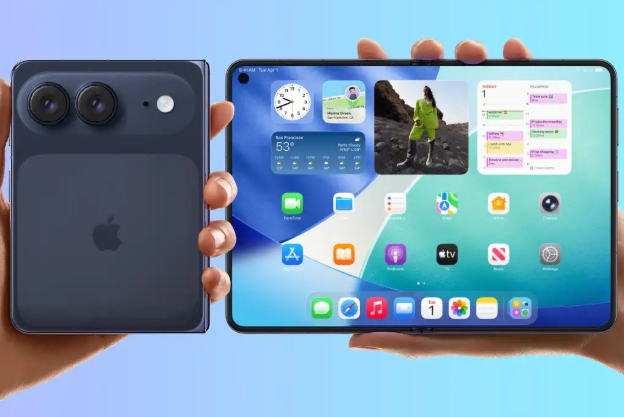
This is where the Apple Duo could have an advantage that is difficult to measure on a specification sheet. An iPhone is rarely used in isolation. Many Apple customers also use devices and services such as the Apple Watch, AirPods, Mac, iPad, iCloud, and other parts of Apple's ecosystem. A foldable iPhone that works seamlessly across those products could be compelling even if its hardware does not match every feature offered by competing Android foldables. For example, a user who already relies on an iPhone, MacBook, Apple Watch, and AirPods may value continuity and integration more than having another camera or a particular physical button.
The Software Experience Could Be the Real Selling Point
Foldable phones are not simply about having two screens. The software has to make good use of the additional display area. Multitasking, app layouts, split-screen functionality, notifications, gestures, and transitions all become more important when the phone can transform between different physical configurations. Apple's challenge will therefore be making iOS feel natural on a foldable display. If the company can create a polished interface that takes advantage of the larger screen without making the device feel like a tablet squeezed into a phone, the experience could become one of the Duo's biggest attractions.
Is Fewer Features Really a Problem?
The Apple Duo's rumored omissions highlight an important difference between buying a smartphone based on specifications and buying one based on overall experience. A phone can have more cameras, more buttons, or more hardware features and still not be the device a particular user wants. The opposite can also be true.
The Apple Duo may lack several features that users expect from a premium iPhone. But if Apple gets the foldable design, software, battery life, durability, and ecosystem integration right, those compromises may matter less to some buyers. That is particularly relevant for consumers who have already tested Android foldables but never found one compelling enough to replace their conventional smartphone.
The Bigger Question for Apple
Apple's challenge isn't simply to build a foldable iPhone. It needs to convince consumers that a foldable iPhone offers something meaningful beyond what conventional iPhones already provide. The Apple Duo could represent Apple's answer to that challenge. Its rumored feature omissions may generate plenty of discussion, but the ultimate appeal of the device could come from a different question: Does it make the foldable smartphone experience feel simple, polished, and unmistakably like an iPhone? If Apple can achieve that, the Duo could attract consumers who previously had little interest in Android foldables—even without matching every feature found on competing devices.



Comments